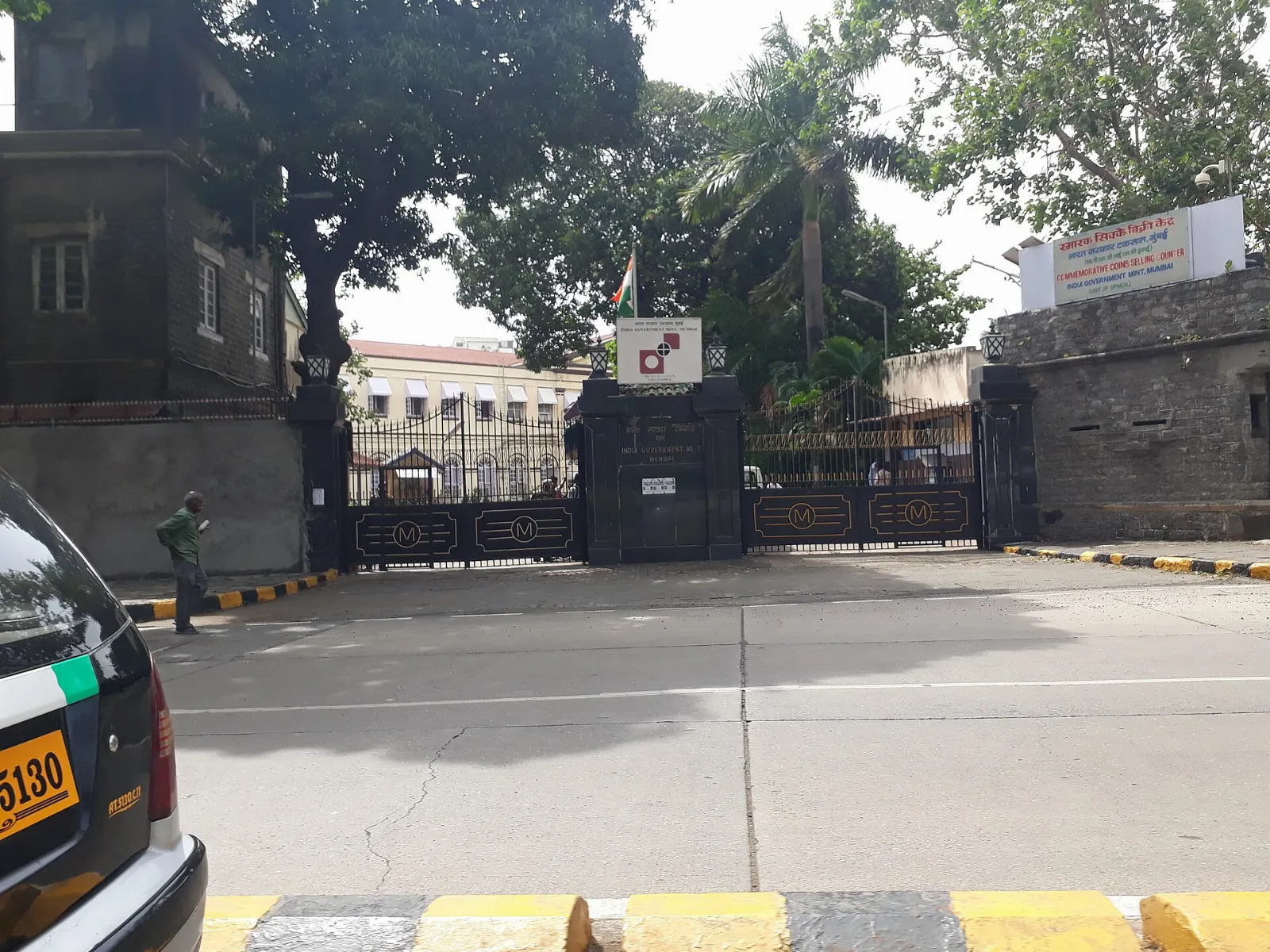
The Reserve Bank of India (RBI) conducted a crucial Variable Rate Reverse Repo (VRRR) auction on September 28 of the current year to control excess liquidity in the financial market. Through this auction, an amount of Rs 1,11,711 crore was absorbed from banks, which is considered an effort to maintain market stability.
Against the proposals received from the participating banks in the auction, the central bank accepted these funds at an interest rate of 5.24 percent. Although a target of Rs 2 lakh crore was set for this auction, the amount received reflects the current liquidity in the market.
Background: আৰবিআইৰ নতুন ভিআৰআৰআৰ (VRRR) নিলাম ঘোষণা
The objective of this step by the central bank is to reduce the flow of excess liquidity in the economy so that inflation can be controlled. Through such auctions, the liquid funds in the banking system come to the central bank, which has a direct impact on the market interest rates.
According to RBI data, this process takes place regularly and is determined based on market demand and supply. In the current economic situation, such auctions help maintain a balance in the money supply in the market. For investors and economists, this information provides a clear indication of the country's monetary policy.