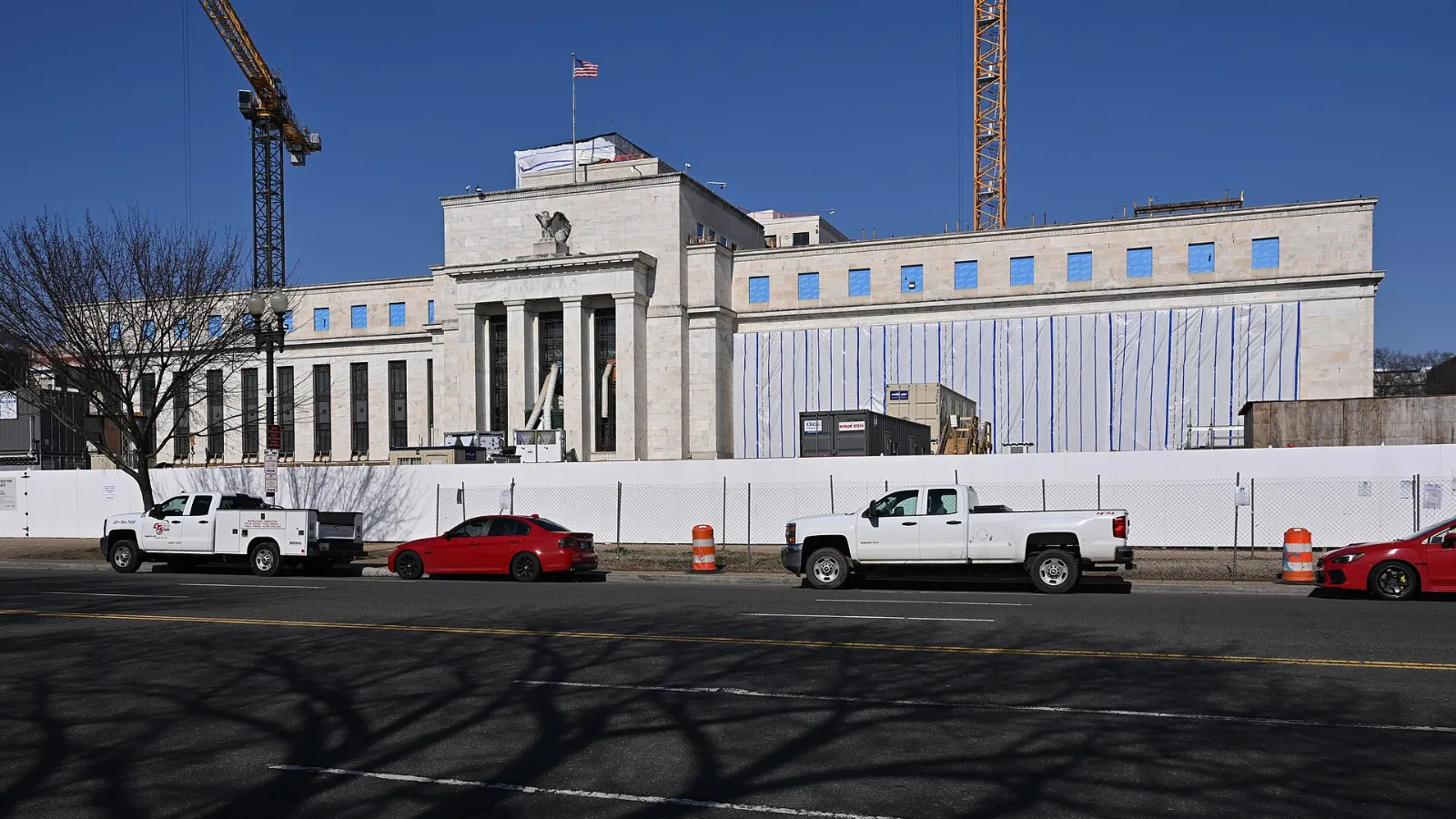
Federal Reserve officials Beth Hammack and Thomas Barkin have publicly expressed their preference for a cautious, incremental approach to interest rate policy in the current economic climate. Their comments reflect a growing consensus within the central bank that while inflation remains uncomfortably high, aggressive, large-scale rate hikes might prove counterproductive to the ongoing stability of the US economy.
The officials emphasized that the path forward will be data-dependent, focusing on incoming reports regarding consumer prices, labor market participation, and core inflation metrics. This strategy aims to curb persistent inflationary pressures without prematurely stifling domestic investment or triggering an abrupt liquidity crunch in the tech-heavy financial markets. By telegraphing a 'gradual' approach, the Fed hopes to anchor market expectations and minimize volatility.
Background: মুদ্ৰা নীতি নিৰ্ধাৰণ সমিতিৰ বৈঠক আৰম্ভ: সুতৰ হাৰ বৃদ্ধি সন্দৰ্পত চৰ্চা
This shift in communication is particularly significant for global markets, including India, where foreign institutional investors are sensitive to shifts in US monetary policy. When US interest rates rise, capital often retreats to the relative safety of the dollar, impacting valuations across global equities. For India, a measured US rate trajectory provides a more predictable environment for the Reserve Bank of India to manage domestic rupee fluctuations and inflationary concerns.
As the US economy navigates this period of high but sticky inflation, the Fed’s balancing act remains a focal point for global finance. Policymakers are clearly signaling that while they are committed to restoring price stability, the speed of that process will remain deliberate to avoid destabilizing the fragile post-pandemic growth trajectory.