NASA has taken an important step to reduce the use of traditional and combustible fuels that have been used in space missions for a long time. Spacecraft require separate and large systems for various types of propulsion and safety. To change this tradition, engineers at NASA's Marshall Space Flight Center in Alabama, USA, have conducted rigorous tests on a new small satellite, or CubeSat. The recently completed tests ensure that the satellite can withstand the extreme and hostile environment of space. Engineers have successfully completed spin tests, thermal vacuum tests, and leak tests on the spacecraft. Scientists hope that the success of this CubeSat will make future space missions safer and easier. This new technology could herald a new era in space research. NASA's effort to develop a more advanced and integrated system instead of traditional fuel systems is very important. The successful completion of these tests paves the way for sending this technology into space in the coming days.
NASA successfully tests new Dual-Mode Propulsion CubeSat to enhance space mission safety
Engineers at NASA's Marshall Space Flight Center have completed rigorous testing of a new small satellite designed to make space missions safer.
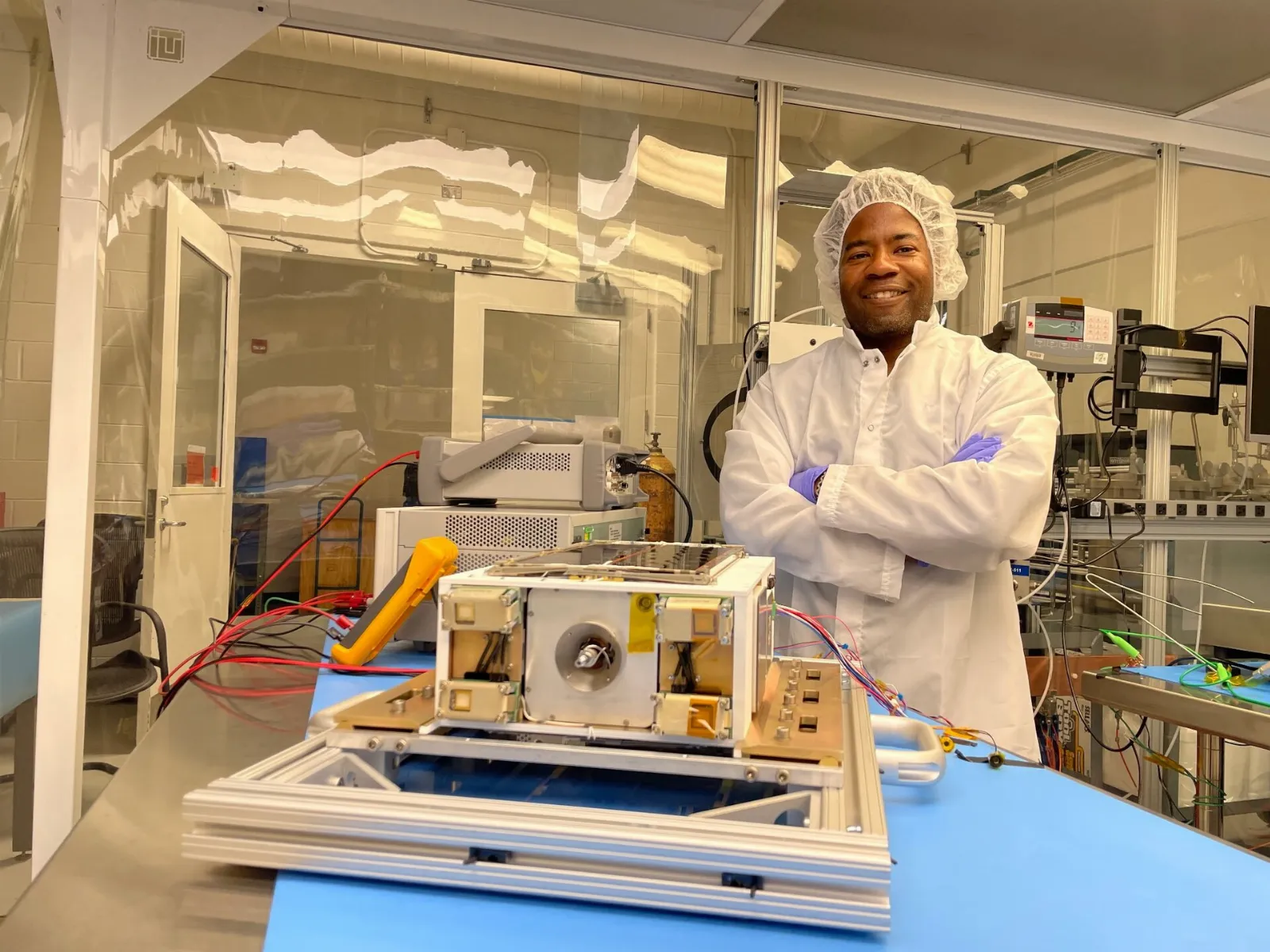
Testing of the new CubeSat is complete at NASA's Marshall Space Flight Center.
The satellite has passed spin and thermal tests to withstand the extreme environment of space.
This technology was developed to find an alternative to traditional fuels and separate systems used in space missions.
What's New?
NASA has completed testing of a new Dual-Mode Propulsion CubeSat.
Why This Matters
This new technology will make space mission fuel systems safer and simpler.
Background and Context
NASA has been researching alternative technologies for a long time to replace traditional spacecraft fuel systems.
What Happens Next?
Following the successful completion of tests, the satellite will be prepared for launch.
For APSC and Exams
Current fact: NASA's Marshall Space Flight Center is located in Huntsville, Alabama, USA.
This report is based on NASA's official primary source reports.
1 saved sources · confidence 100/100 · novelty 85/100