Science & Technology07 Nov 2026, 6:14 PM
Trump Pushes Nuclear Energy in Space and Sets Two-Year Deadline for NASA Mars Mission
In a major policy directive, a fresh push for nuclear space exploration has been initiated alongside a strict two-year timeline for NASA's crewed Mars mission objectives.
JNewsAssam Editorial DeskPublished: 07 Nov 2026, 7:52 PM · Updated: 07 Nov 2026, 7:52 PM
WhoNASA and political leadership
WhenNovember 7, 2026
WhereUnited States space program
WhatInitiated a nuclear push in space exploration and established a strict two-year deadline for NASA's Mars mission strategy.
Key fact 1A nuclear propulsion and exploration push has been introduced for deep space missions.
Key fact 2A strict two-year deadline has been established for NASA's Mars mission planning.
Key fact 3The announcement highlights shifting priorities in aerospace administration and long-term interplanetary exploration strategy.
What's New?
New policy directive mandating nuclear space tech and a two-year Mars mission deadline.
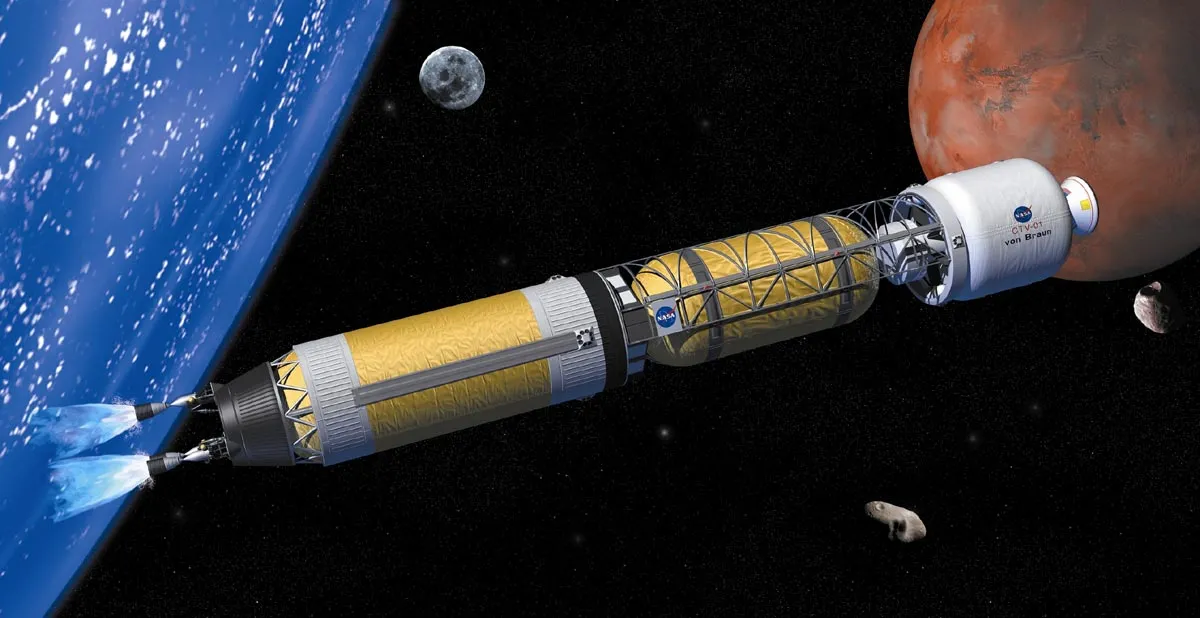
Space exploration policy has entered a transformative phase following a high-profile directive emphasizing nuclear technology for deep space travel. According to reports from major media outlets including The Times of India published on November 7, 2026, the push aims to leverage advanced nuclear propulsion systems to dramatically shorten transit times to the Red Planet while overcoming the severe physical and logistical constraints associated with traditional chemical rocket systems.
Alongside the nuclear power integration, authorities have outlined a stringent two-year timeline for structuring NASA's crewed Mars mission parameters. This accelerated schedule places intense pressure on aerospace engineers and mission planners to fast-track life-support hardware, radiation shielding, and habitat modules. Critics and technical experts, however, have raised questions regarding whether safety protocols and rigorous uncrewed testing phases can be adequately compressed to meet such a demanding operational deadline.
The strategic shift underscores a broader geopolitical and technological race toward interplanetary dominance. Nuclear thermal and electric propulsion systems have long been theorized as the key to unlocking sustainable human voyages beyond the Earth-Moon system, offering higher specific impulse and power output than standard chemical alternatives. As space agencies around the globe re-evaluate their roadmaps, the integration of nuclear tech represents a foundational pivot in modern astronautical engineering.
Moving forward, the success of this aggressive mandate will depend on inter-agency coordination, robust funding allocations, and technological readiness. Stakeholders across the aerospace sector are closely monitoring how NASA will balance the accelerated timeline with comprehensive risk mitigation, setting the stage for what could be a defining era in human spaceflight history.
Why This Matters
It highlights significant shifts in space exploration priorities, merging advanced nuclear engineering with accelerated interplanetary mission timelines.
Assam / Northeast প্ৰসংগ
Global aerospace policies heavily influence international space cooperation frameworks and the commercial space industry.
Local Impact
Space technology developments inspire domestic scientific research institutions and engineering education ecosystems.
Background and Context
The development comes amid a global re-examination of aerospace capabilities, deep-space sustainability, and human interplanetary expansion timelines.
What Happens Next?
Expect detailed technical disclosures from aerospace contractors and legislative oversight hearings regarding the feasibility of the two-year timeline.
What You Can Do
Monitor agency updates and technical feasibility assessments regarding nuclear space propulsion milestones.
For APSC and Exams
Current fact: Nuclear thermal propulsion utilizes thermal energy from a nuclear reactor to heat a working fluid, providing greater thrust efficiency than chemical rockets.
History / পটভূমি: The history of space exploration includes early Cold War nuclear rocket development programs like Project NERVA in the United States during the 1960s.
APSC Note
Candidates should understand the role of advanced propulsion systems in future space missions and international technological competition.
Space Technology · Nuclear Energy · Current Affairs
How This Report Was VerifiedVerified via major news reporting on space policy updates.
1 saved sources · confidence 88/100 · novelty 90/100
Sources and TransparencyJNewsAssam reports from attributed evidence and links to primary sources. Claims that are disputed or not independently confirmed are attributed to their sources. · Editorial Policy · Corrections · Contact