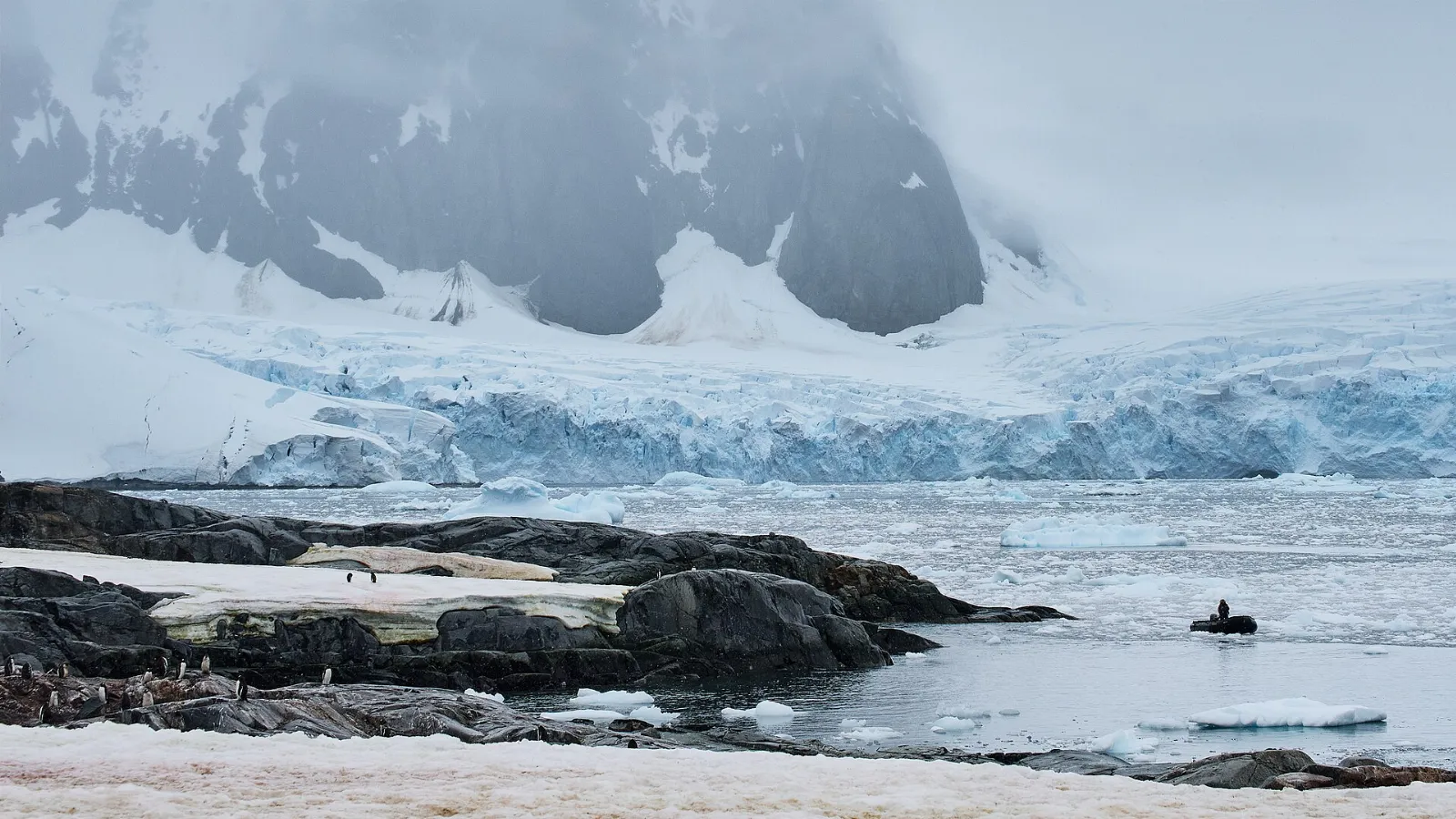
The process of Antarctic ice melting has been a cause for concern among climate scientists worldwide for several years. Amidst this, shocking information has recently surfaced, suggesting that organic waste like penguin excreta can play a specific role in the rapid melting of Antarctica's vast ice sheets. This new study has forced a reconsideration of traditional environmental science concepts.
While discussions usually revolve around the effects of pollution or sunlight on ice sheets, data indicates that nitrogen and other minerals in penguin excreta can accelerate the ice melting process. The gases and chemical reactions released from these organic waste materials alter the surface temperature of the ice. Scientists have expressed that while not direct, it is capable of causing a localized environmental impact indirectly.
Background: নেপালৰ বানপানীৰ ক্ষতিপূৰণত ২১.৬ নিযুত ডলাৰ আৱণ্টন
In this complex process of climate change, the relationship between Antarctica's biodiversity and its geographical state is crucial. Since the number of penguins is higher in specific areas of Antarctica, the influence of these biological factors on ice density and melting rates in such places has become a new subject of research for environmentalists. This study could be helpful in accurately measuring the rate of ice melting.
Overall, the impact of climate change in sensitive regions like Antarctica is not limited to human-made causes, but the role of such new factors within natural cycles is also highly significant. This suggests the possibility of changing global climate models in the coming days.