During NASA's SpaceX Crew-13 mission, astronauts stationed at the International Space Station will participate in crucial biomedical and human performance research. Through this mission, a new collaborative study will be conducted on how space travel affects blood flow and blood clotting processes in the human body. Additionally, the mission will evaluate the astronauts' manual spacecraft piloting skills, as well as methods to prevent structural changes in vision and brain anatomy. These studies are expected to help ensure human health for future long-duration space missions.
Science & Technology24 Sep 2026, 7:23 PM
Astronaut Health and Biomedical Research on NASA's Crew-13 Mission
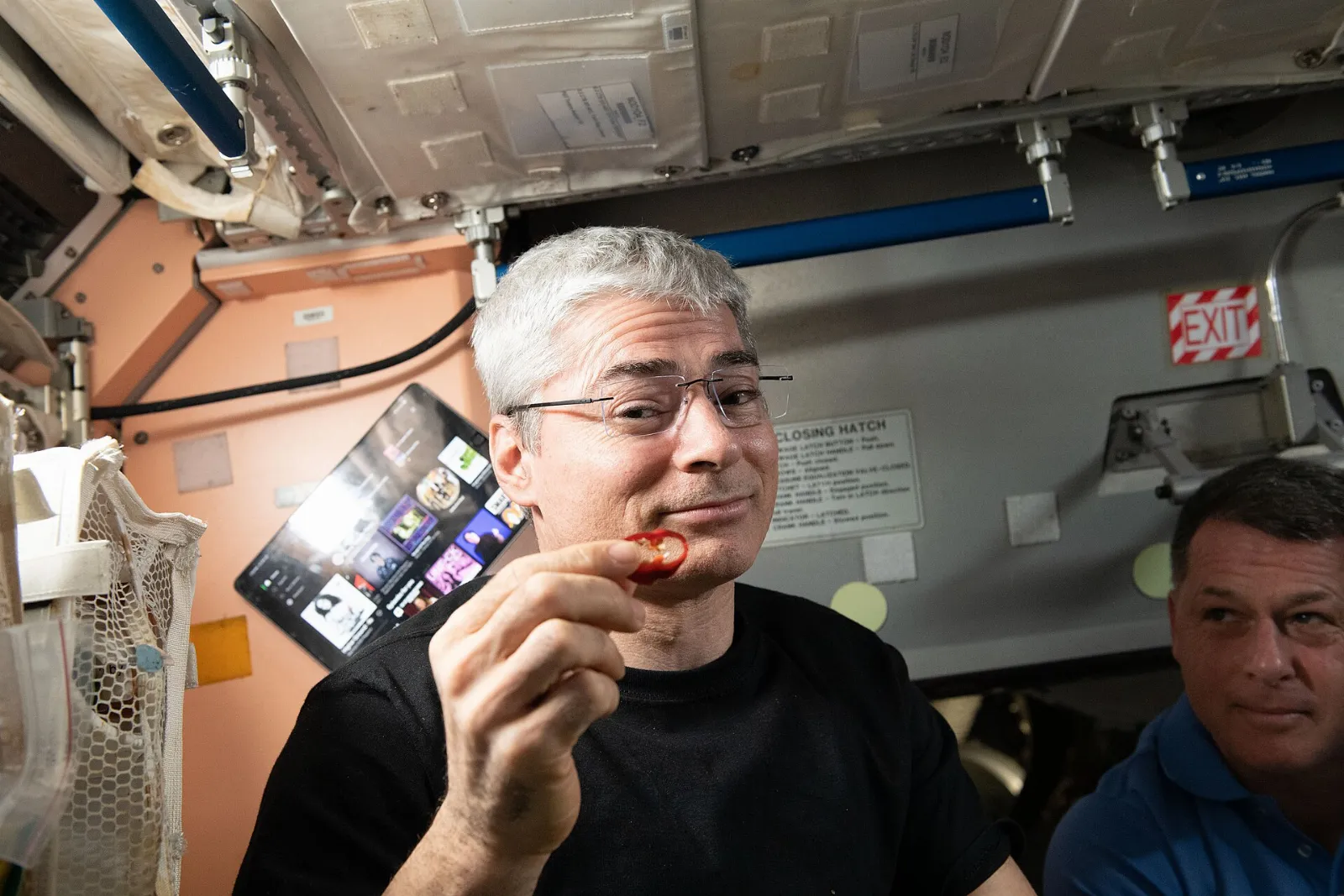
Astronauts will conduct research on the International Space Station regarding the effects of space travel on blood flow and physical changes in the body.
Key fact 1
Astronauts will conduct several biomedical experiments during the Crew-13 mission.
Key fact 2
The impact of space travel on blood flow and glands will be studied.
Key fact 3
Methods to prevent changes in vision and brain function will also be tested.
What's New?
A new plan for astronaut health and biomedical research on NASA's Crew-13 mission has been announced.
Why This Matters
This research will help protect astronaut health and address the challenges of long-term space travel in future missions.
Background and Context
This new mission is being undertaken as part of a series of studies on the physiological changes of astronauts in previous space missions.
For APSC and Exams
Current fact: NASA's Crew-13 mission is being conducted to study astronaut health and biomedical issues in space travel.
How This Report Was Verified
This report was prepared from information identified in published sources.
1 saved sources · confidence 100/100 · novelty 0/100Sources and TransparencyJNewsAssam reports from attributed evidence and links to primary sources. Claims that are disputed or not independently confirmed are attributed to their sources. · Editorial Policy · Corrections · Contact